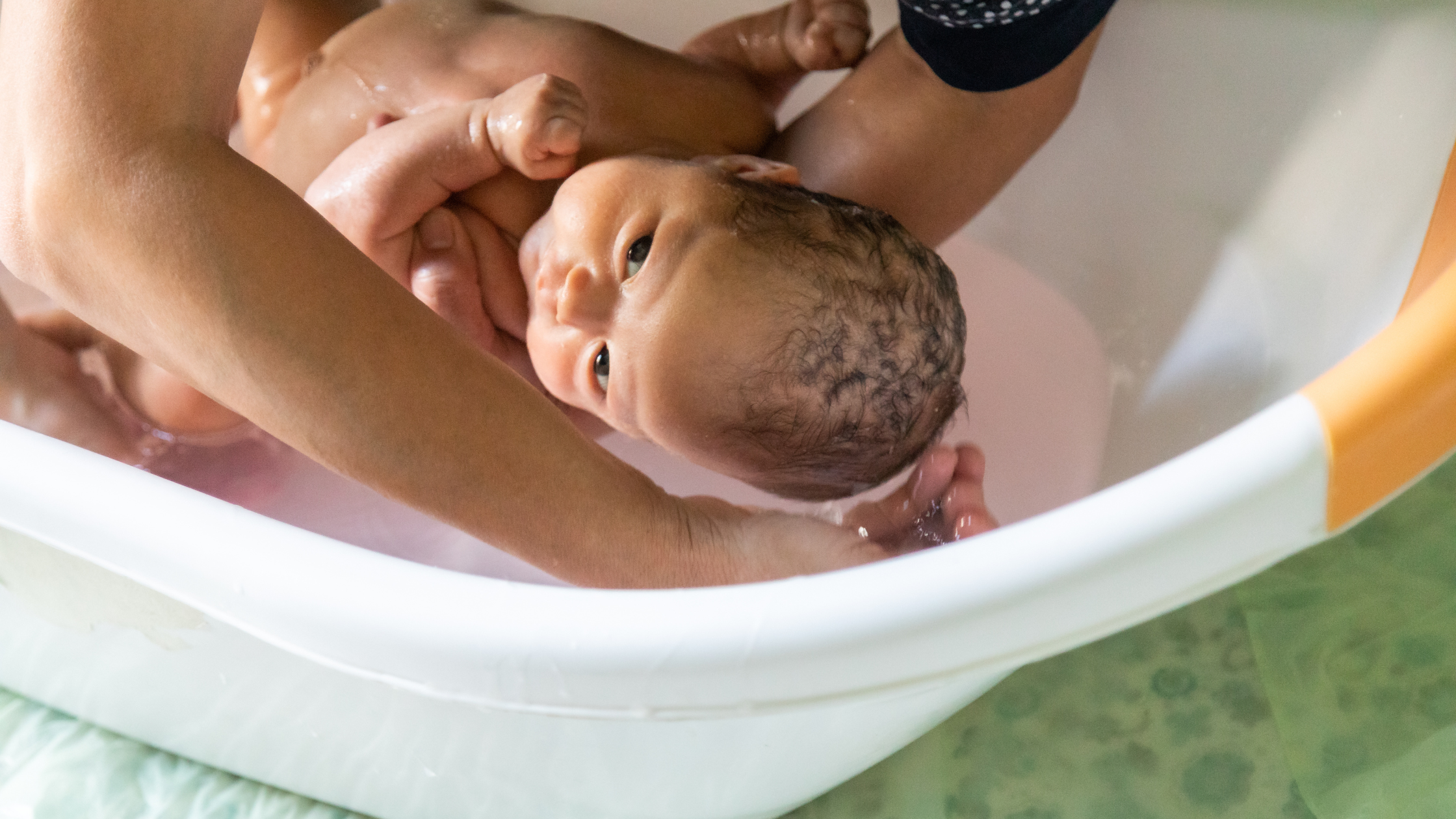
The umbilical cord is a lifeline that connects your developing baby to you during pregnancy.
After birth, the cord is clamped and cut, leaving a small stump attached to your baby's abdomen. This stump will eventually dry up and fall off, typically within one to three weeks.
However, proper care is essential to prevent infection and promote healing.
Let's explore the timeline and best practices for caring for your baby's umbilical cord stump.
How Long Should I Wait for the Umbilical Cord Stump to Fall?
The umbilical cord stump usually falls off within 10 to 14 days after birth. However, it can take up to 21 days in some cases. If the stump hasn't fallen off after three weeks, consult your healthcare provider.
What to Do if Umbilical Stump Doesn't Fall Off?
If your baby's umbilical cord stump hasn't fallen off after three weeks, it's important to consult your healthcare provider.
There could be a few reasons why the stump hasn't fallen off yet, including:
- Infection: If the stump is red, swollen, or oozing pus, it could be infected. This will require treatment from your healthcare provider.
- Umbilical granuloma: This is a small, pink, or red bump that can form on the stump. It is usually harmless and will go away on its own within a few weeks. However, your healthcare provider may want to remove it if it is causing discomfort or interfering with healing.
- Other underlying medical conditions: In rare cases, there may be an underlying medical condition that is preventing the stump from falling off. Your healthcare provider can rule out any serious problems.
Here are some things to do while you wait for your appointment with your healthcare provider:
- Keep the stump clean and dry. Gently clean the stump with a cotton swab dipped in warm water once or twice a day. Avoid using rubbing alcohol or harsh soaps, which can irritate the skin.
- Expose the stump to air. Fold down the front of your baby's diaper to allow the stump to air out and dry.
- Give sponge baths. Avoid full-body baths until the stump falls off. Sponge baths allow you to gently clean your baby without submerging the stump.
- Handle the stump gently. Avoid rubbing or pulling on the stump, as this can cause discomfort and delay healing.
- Do not apply any ointments or creams to the stump. These can interfere with healing.
- Monitor the stump for signs of infection. If the stump becomes red, swollen, or oozing pus, contact your healthcare provider immediately.
In most cases, a delayed umbilical cord stump is nothing to worry about and will resolve on its own. However, it is important to seek medical attention if you notice any signs of infection or other complications.
How Long Does It Take for a Baby’s Belly Button to Heal?
The healing of a baby's belly button, also known as the umbilical cord stump, typically takes place within 7 to 10 days after birth. However, it may take up to 21 days for the stump to completely fall off. In the meantime, it's crucial to practice proper care to prevent infection and promote healing.
Here's a breakdown of the healing process:
- Days 1-3: The stump will start to shrivel and dry up.
- Days 4-7: The stump will begin to darken and become leathery.
- Days 8-10: The stump will fall off on its own.
- Days 11-21: In some cases, the stump may take longer to fall off, up to three weeks.
Once the stump falls off, the belly button may still be slightly red and irritated. This is normal and should heal within a few days.
Dos and Don'ts for Umbilical Cord Care
This is how you should care for a newborn's umbilical cord stump:
Dos
- Keep the stump clean and dry: Gently clean the stump with a cotton swab dipped in warm water once or twice a day. Avoid using rubbing alcohol or harsh soaps, which can irritate the skin.
- Expose the stump to air: Fold down the front of your baby's diaper to allow the stump to air out and dry.
- Give sponge baths: Avoid full-body baths until the stump falls off. Sponge baths allow you to gently clean your baby without submerging the stump.
- Handle the stump gently: Avoid rubbing or pulling on the stump, as this can cause discomfort and delay healing.
Don'ts
- Don't cover the stump with a bandage or diaper: Covering the stump can trap moisture and increase the risk of infection.
- Don't use alcohol or harsh soaps to clean the stump: These can irritate the skin and delay healing.
- Don't pick or pull at the stump: This can cause pain and delay healing.
- Don't put anything on the stump: Avoid applying powders, ointments, or other substances to the stump, as these can irritate the skin and hinder healing.
Additional Tips
- Dress your baby in comfortable, loose-fitting clothing to avoid rubbing against the stump.
- Keep your hands clean before handling your baby's umbilical cord stump.
- If your baby seems uncomfortable, consult your healthcare provider to rule out any underlying issues.
Remember, caring for your newborn's umbilical cord stump is a simple but important task. By following these dos and don'ts, you can help ensure that your baby's stump heals properly and without complications.
Warning Signs to Look Out For
If you notice any of the following signs, contact your healthcare provider immediately:
- Redness, swelling, or tenderness around the stump.
- Yellow or foul-smelling discharge from the stump.
- Bleeding from the stump.
- Fever
What Can I Use For Umbilical Cord to Fall?
The umbilical cord typically falls off naturally within one to three weeks after birth. It's important to allow it to detach on its own to minimize the risk of infection or complications.
While it's tempting to try to expedite the process, using any products or methods to force the cord to fall off can actually increase the risk of infection.
Avoid applying substances like alcohol, lotions, methylated spirit or powders with the intention of hastening the detachment, as these can irritate the area and delay healing.
The best approach is to keep the area clean and dry. Following simple hygiene practices, such as gently cleaning the base of the cord with water and mild soap and ensuring it remains dry and exposed to air, will promote the natural healing and detachment process.
If there are concerns about the timing or the appearance of the cord, it's always best to consult a healthcare professional for guidance.
Is a Bleeding Belly Button Normal in Newborns?
Yes, it is normal for a newborn's belly button to bleed a little bit while the umbilical cord is healing.
Here are some reasons why a newborn's belly button may bleed:
- The stump may rub against the baby's diaper or clothing.
- The stump may be irritated by soap or other products.
- The stump may be infected.
If the bleeding is minor and stops on its own, it is not usually a cause for concern. However, if the bleeding is heavy or does not stop, you should contact your baby's doctor.
What to Do if Umbilical Cord Is Pulled Off Accidentally
If the umbilical cord is accidentally pulled off before the stump has dried and fallen off naturally, it could cause bleeding and infection. In most cases, the bleeding will stop on its own and the cord will heal without any complications.
However, it is important to seek medical attention if the bleeding is severe or does not stop, or if you notice any signs of infection, such as redness, swelling, or pus.
Here are some things to do if the umbilical cord is accidentally pulled off:
- Apply pressure to the stump with a clean cloth or gauze. Hold the pressure for several minutes until the bleeding stops.
- Clean the stump with a cotton swab dipped in warm water. Do not use rubbing alcohol or harsh soaps, as these can irritate the skin.
- Expose the stump to air by folding down the front of your baby's diaper. This will help the stump to dry out and heal.
- Monitor the stump for signs of infection, such as redness, swelling, or pus. If you notice any of these signs, contact your baby's doctor immediately.
In most cases, the umbilical cord will heal without any complications. However, it is important to follow these steps to prevent infection and promote healing.
If you have any concerns, please contact your baby's doctor.
Conclusion
Each baby's journey is unique, and while the general timing for the umbilical cord stump to fall off is one to three weeks, variations can occur.
Remember, observing any signs of infection or unusual discharge is crucial. Always seek guidance from a healthcare provider if any concerns arise.
By following these simple guidelines, parents can ensure a smooth healing process, fostering a healthy start for their newborn's early days.
FAQs: Caring for Your Newborn’s Umbilical Cord Stump
1. How long does it take for the umbilical cord stump to fall off?
Most umbilical cord stumps fall off within 10–14 days after birth, though some may take up to three weeks.
2. Is it normal for the stump to take longer than two weeks to fall off?
Yes. Some babies’ stumps may take up to 21 days to detach naturally. However, if it has not fallen off after three weeks, contact your healthcare provider.
3. How should I clean my baby’s umbilical cord stump?
Gently clean the stump with warm water using a cotton swab or soft cloth. Keep the area dry and avoid using alcohol or harsh soaps.
4. Should I cover the umbilical cord stump with a diaper?
No. Fold the front of the diaper down to expose the stump to air and help it dry properly.
5. Can I bathe my baby before the stump falls off?
It is best to give sponge baths until the stump falls off naturally. Avoid soaking the stump in water during full-body baths.
6. Is it okay to use alcohol, powders, or ointments on the stump?
No. Avoid using alcohol, powders, creams, methylated spirit, or ointments because they may irritate the skin and delay healing.
7. What are signs of an infected umbilical cord stump?
Contact your healthcare provider if you notice redness, swelling, tenderness, foul-smelling discharge, pus, fever, or persistent bleeding around the stump.
8. Is slight bleeding from the belly button normal?
Yes. A small amount of bleeding can happen as the stump heals or rubs against clothing or diapers. However, heavy or persistent bleeding should be checked by a doctor.
9. What is an umbilical granuloma?
An umbilical granuloma is a small pink or red bump that can appear after the cord falls off. It is usually harmless, but a healthcare provider may remove it if necessary.
10. What should I do if the umbilical cord stump is accidentally pulled off?
Apply gentle pressure with a clean cloth if there is bleeding, clean the area with warm water, keep it dry, and monitor for signs of infection. Seek medical attention if bleeding does not stop or infection signs appear.
11. How long does the belly button take to heal after the stump falls off?
After the stump falls off, the belly button may remain slightly red or irritated for a few days before fully healing.
12. What can I do to help the umbilical cord fall off faster?
The safest approach is to let the cord fall off naturally. Keep it clean, dry, and exposed to air to support proper healing.