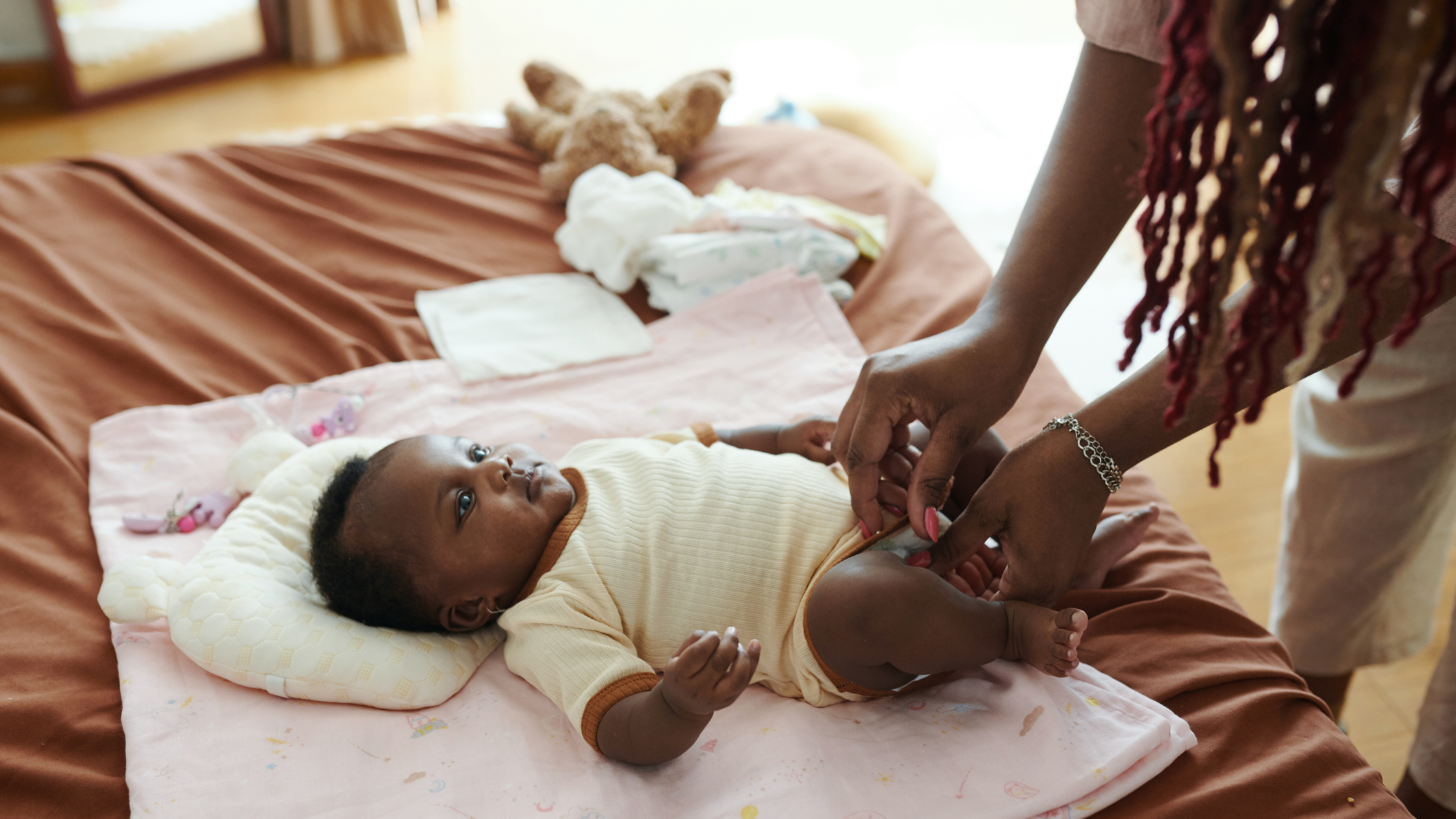
Breastfeeding is a beautiful and natural process, but can also be challenging. Finding the right breastfeeding position is important for a successful breastfeeding journey.
The right position can enhance milk transfer, reduce nipple pain, and promote bonding between mother and baby.
This article will explore various breastfeeding positions, their benefits, and tips for finding the perfect fit for you and your baby.
Common Breastfeeding Positions - Description, Benefits, When to Use, and Tips
Here are some breastfeeding positions that can help you and your baby enjoy this special time:
1. Cradle Hold

The cradle hold is one of the most traditional and commonly used breastfeeding positions. The baby lies on their side with their head resting in the crook of the mother’s arm, while the mother's hand supports the baby's bottom.
When to use
The cradle hold is suitable for most mothers and babies.
This position is often comfortable for both mother and baby, particularly for newborns. It provides good support for the baby's body and allows for close eye contact.
How to
- Sit comfortably with your back supported.
- Hold your baby with their head in the crook of your arm.
- Support their back with your forearm and their bottom with your hand.
- Bring your baby to your breast, ensuring their mouth is aligned with your nipple.
Benefits
- Familiar and easy for many mothers.
- Allows for close eye contact and bonding.
- Convenient for public breastfeeding with a nursing cover.
Tips
- Use a pillow to support your arm and baby's weight.
- Ensure the baby's body is facing you, not just their head.
2. Cross-Cradle Hold
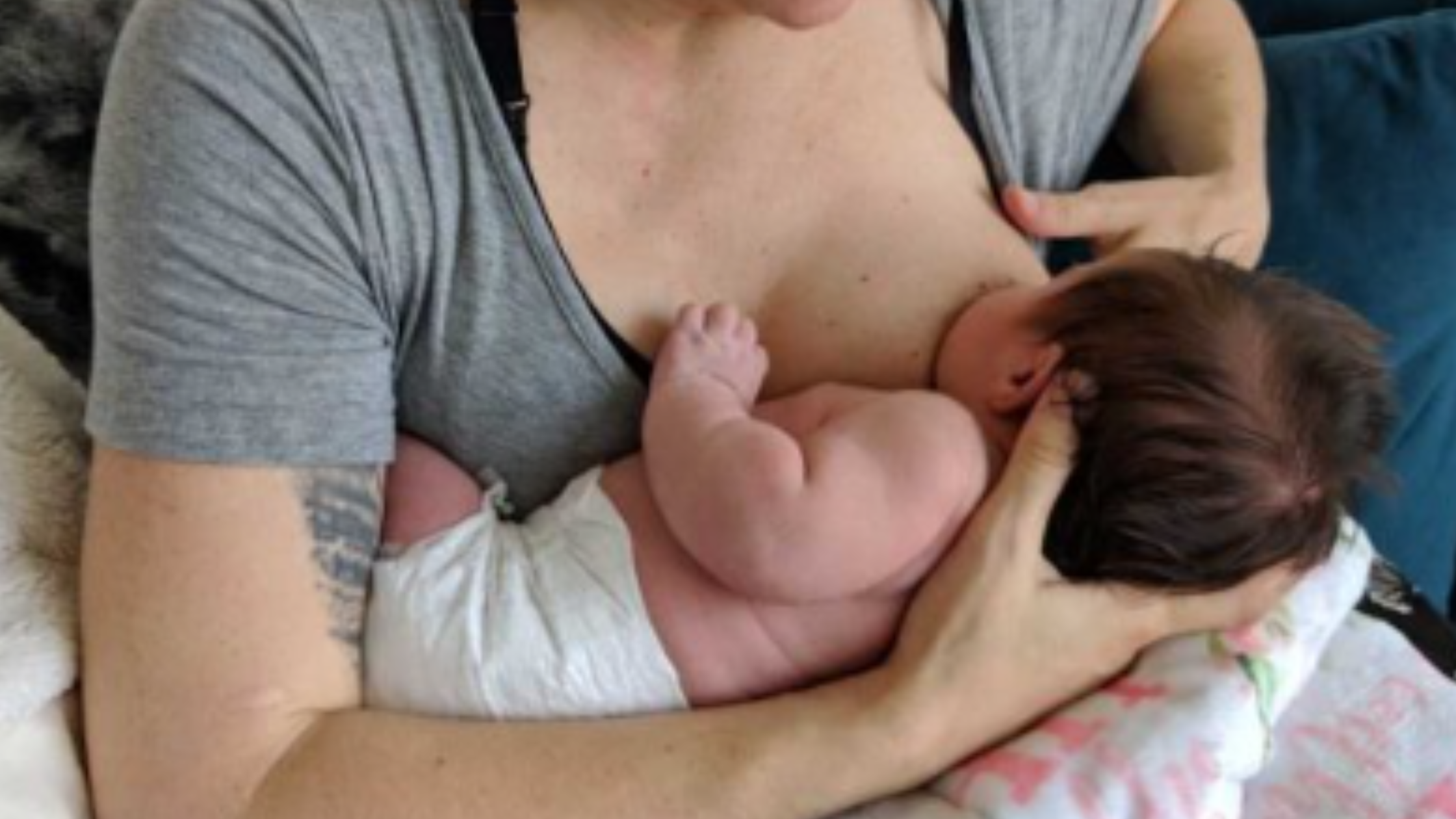
This breastfeeding position is similar to the cradle hold, but the baby is supported with the opposite arm to the breast being used. This position offers more control over the baby's head.
When to use
This position can be beneficial for mothers with nipple issues or for babies with a weak latch.
It is often helpful for mothers who have flat or inverted nipples because it allows for better control over the baby's latch. It can also be useful for babies who need extra support.
How to
- Sit comfortably and position your baby as in the cradle hold.
- Use the arm opposite the nursing breast to support the baby’s head and neck.
- Your other hand supports your breast.
Benefits
- Provides more head support and control.
- Ideal for newborns and small babies.
- Helps guide the baby’s latch.
Tips
- Use a breastfeeding pillow for added support.
- Ensure the baby’s mouth covers a large portion of the areola.
3. Football Hold (Clutch Hold or Rugby Hold)
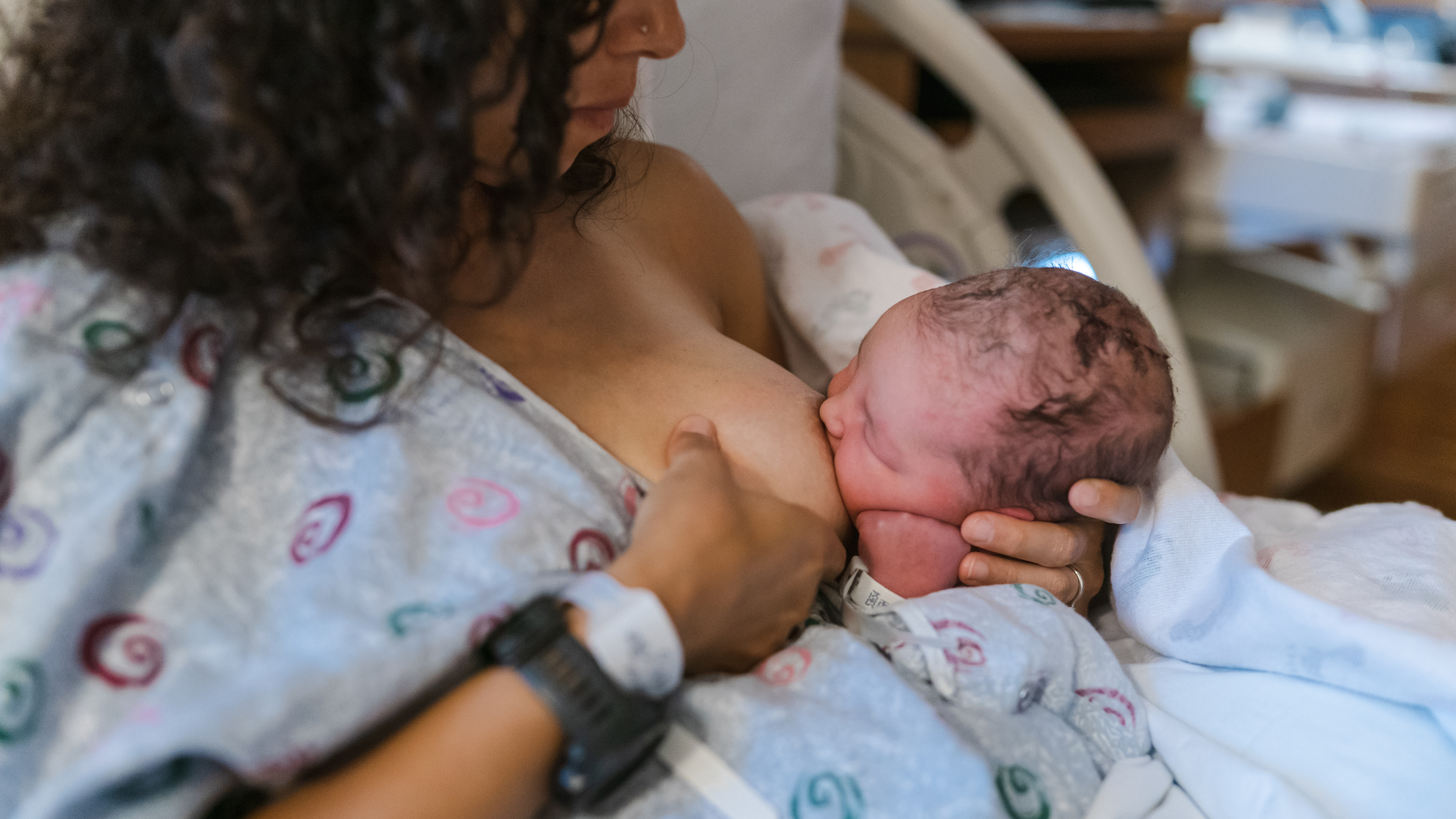
In the football hold, the baby is tucked under the mother's arm like a football, with the baby’s legs and body positioned along the mother's side.
When to use
This position is often comfortable after a cesarean section because it reduces pressure on the abdomen. It's also a good choice for breastfeeding twins and mothers with large breasts.
How to
- Sit comfortably with pillows supporting your back and arm.
- Hold your baby beside you, tucked under your arm.
- Support their head with your hand, guiding them to latch.
Benefits
- Great for mothers recovering from a C-section.
- Useful for twins, allowing simultaneous feeding.
- Helps prevent baby from putting pressure on your abdomen.
Tips
- Use pillows to elevate your baby to breast level.
- Keep your baby’s body close and their nose aligned with your nipple.
4. Side-Lying Position

In this position, both mother and baby lie on their sides facing each other, with the baby's body aligned with the mother's.
When to use
This position is convenient for nighttime feedings and allows for rest. It can be helpful for mothers who have had a cesarean section and those who are experiencing back pain.
How to
- Lie on your side with your baby facing you.
- Hold your baby close with their mouth level with your nipple.
- Use your free hand to support your breast and guide your baby.
Benefits
- Comfortable for nighttime and resting mothers.
- Reduces strain on the mother’s back and arms.
- Ideal for relaxed, prolonged feeding sessions.
Tips
- Ensure there are no pillows or blankets near your baby’s face.
- Position your baby so their ear, shoulder, and hip are aligned.
5. Laid-Back (Biological Nurturing) Position

In the laid-back position, the mother reclines in a semi-reclined position, and the baby lies on top of the mother with their body flat against hers.
When to use
The laid-back position is suitable for most mothers and babies, especially in the early days of breastfeeding.
This position promotes a deep latch and can be helpful for mothers with sore nipples or engorgement. It mimics the natural feeding position and can be relaxing for both mother and baby.
How to
- Recline comfortably on a couch or bed with support for your back.
- Place your baby on your chest, tummy to tummy.
- Let your baby find your breast and latch on.
Benefits
- Utilizes gravity to help the baby latch.
- Promotes skin-to-skin contact.
- Relaxed and natural position for both mother and baby.
Tips
- Ensure your baby’s head is free to move and latch.
- Support your baby’s back and bottom with your arms.
6. Koala Hold

The koala hold is where the baby straddles the mother’s thigh or hip, sitting upright.
When to use
This position can be helpful for babies with reflux, ear infections, tongue-tie, or low muscle tone. It allows for a good latch and can be comfortable for both mother and baby.
How to
- Sit comfortably with your baby straddling your thigh or hip.
- Support your baby’s back and head with one hand.
- Bring your baby to your breast to latch.
Benefits
- Useful for older babies with good head control.
- Allows for easy eye contact and interaction.
- Can be done while seated or standing.
Tips
- Support your baby’s back with a pillow if needed.
- Ensure your baby’s spine is aligned.
Tips for Finding the Right Breastfeeding Position
You can try the following:
- Comfort and support: Ensure that you and your baby are comfortable and well-supported. Use pillows to support your arm and baby's body if needed.
- Baby's latch: A good latch is essential for successful breastfeeding. Make sure your baby's mouth covers both the nipple and areola.
- Adjusting positions: Don't be afraid to experiment with different positions. What works best for one mother and baby may not work for another.
- Seeking help: If you're struggling to find a comfortable position or if you're experiencing difficulties with breastfeeding, seek help from a lactation consultant.
Let's Answer Those Breastfeeding Positions FAQs
What are the 4 breastfeeding positions?
While there are many breastfeeding positions, four common ones include:
- Cradle hold: Baby is cradled in the crook of one arm.
- Cross-cradle hold: Similar to cradle hold but using the opposite arm to support the baby's head.
- Football hold: Baby is tucked under the mother's arm like a football.
- Laid-back breastfeeding: Mother reclines with baby skin-to-skin on her chest.
What position should you avoid while breastfeeding?
While there's no strict "avoid" position, it's generally recommended to avoid positions that cause discomfort or strain to you or your baby. For instance, leaning too far forward can be uncomfortable and might hinder milk flow.
It is also recommended to void positions where the baby’s head is turned to the side, as this can make swallowing difficult and lead to poor latching.
What is the best position for a baby to be breastfed?
The "best" position often depends on the individual mother and baby.
A good position is one that allows for a deep latch, is comfortable for both, and facilitates milk transfer.
Many mothers find the cradle hold or cross-cradle hold effective, especially in the early days. The laid-back (biological nurturing) position is also highly recommended for its natural and relaxed approach.
However, most mothers find success with a combination of positions.
How to breastfeed in a sleeping position?
Breastfeeding while sleeping is not recommended due to the risk of suffocation. It's safer to wake up to feed your baby.
However, to breastfeed in a sleeping position (side-lying):
- Lie on your side with your baby facing you.
- Hold your baby close with their mouth level with your nipple.
- Use your free hand to support your breast and guide your baby.
- Ensure there are no pillows or blankets near your baby’s face and that their ear, shoulder, and hip are aligned.
Wrong breastfeeding positions newborn
Incorrect positions can lead to poor latch, nipple pain, and inadequate milk transfer.
Signs of wrong positioning include pain, clicking sounds, baby unlatching frequently, and insufficient milk intake.
Wrong positions include:
- The baby’s head turned to the side rather than facing the breast.
- The baby’s body not aligned, leading to poor latching and swallowing difficulties.
- Positions that cause strain or discomfort for the mother, leading to pain or nipple damage.
Upright breastfeeding positions for newborns
Cradle and cross-cradle holds are often preferred positions for newborns as they provide good support for the baby's head and neck.
The Koala Hold is an upright position where the baby straddles the mother’s thigh or hip while sitting upright. This position is only good for older babies with good head control.
Breastfeeding positions after C-section
Football hold and laid-back breastfeeding are often comfortable for mothers after a C-section because they reduce pressure on the abdomen.
Breastfeeding positions for husband
While breastfeeding is a process between a mother and her baby, partners can support breastfeeding by:
- Assisting with positioning: Helping the mother and baby get comfortable.
- Offering support: Providing pillows, water, or snacks.
- Emotional support: Offering encouragement and ensuring a calm environment.
Breastfeeding positions in bed
Side-lying is the most common and safest position for breastfeeding in bed, especially night feedings.
The laid-back (Biological Nurturing) Position where the mother reclines comfortably with the baby lying on top, tummy to tummy is also good.
However, always ensure both you and the baby are well-supported and awake in both positions.
Breastfeeding positions to reduce gas
While there's no guaranteed position to reduce gas, upright positions after feeding can help.
You should try:
- Football Hold (Clutch Hold): Keeps the baby more upright, reducing the chance of gas.
- Upright Positions (Koala Hold): Helps prevent gas by keeping the baby’s head above the stomach.
Burping your baby frequently during and after feeds can also be beneficial.
Easiest breastfeeding position for newborn
The easiest position often depends on the individual baby and mother. Many find the cradle hold comfortable to start with.
The Cradle Hold and Cross-Cradle Hold are easiest for newborns breastfeeding due to the control and support these positions provide.
Signs of good positioning in breastfeeding
Good positioning is important for effective breastfeeding. Here are four signs that indicate your baby is well-positioned:
- Baby's mouth is wide open, covering both nipple and areola.
- Baby's chin touches your breast.
- Baby's body is turned towards you, with no twisting.
- The baby’s ear, shoulder, and hip should be aligned.
- You feel comfortable and there's no nipple pain.
- You should see or hear your baby swallowing milk.
Conclusion
Finding the right breastfeeding position can greatly enhance the breastfeeding experience for both you and your baby.
Every mother and baby is unique, so what works for one might not work for another. The key is to find a comfortable position that allows your baby to latch effectively and enables you to relax and enjoy this precious bonding time.
Don’t forget to experiment with different positions to discover what works best for you.
If you experience any discomfort or issues with breastfeeding, consider consulting a lactation consultant for personalized support and guidance.
Happy breastfeeding!
FAQs
Which breastfeeding position is best for sore nipples?
The laid-back position is often helpful for mothers with sore nipples because it encourages a deeper, more natural latch and reduces pressure during feeding.
How do I know if my baby is latched properly?
A good latch usually feels comfortable rather than painful. Your baby’s mouth should be wide open, with more of the areola visible above the top lip than below.
Can I switch breastfeeding positions during a feed?
Yes. Many mothers switch positions during a feeding session to stay comfortable, improve milk flow, or help baby latch better.
Which breastfeeding position works best for twins?
The football hold is commonly preferred for twins because it allows both babies to feed at the same time while giving the mother more control and support.
Do I need a breastfeeding pillow?
A breastfeeding pillow is optional, but it can help support your baby’s weight, reduce strain on your arms and shoulders, and make feeding more comfortable.